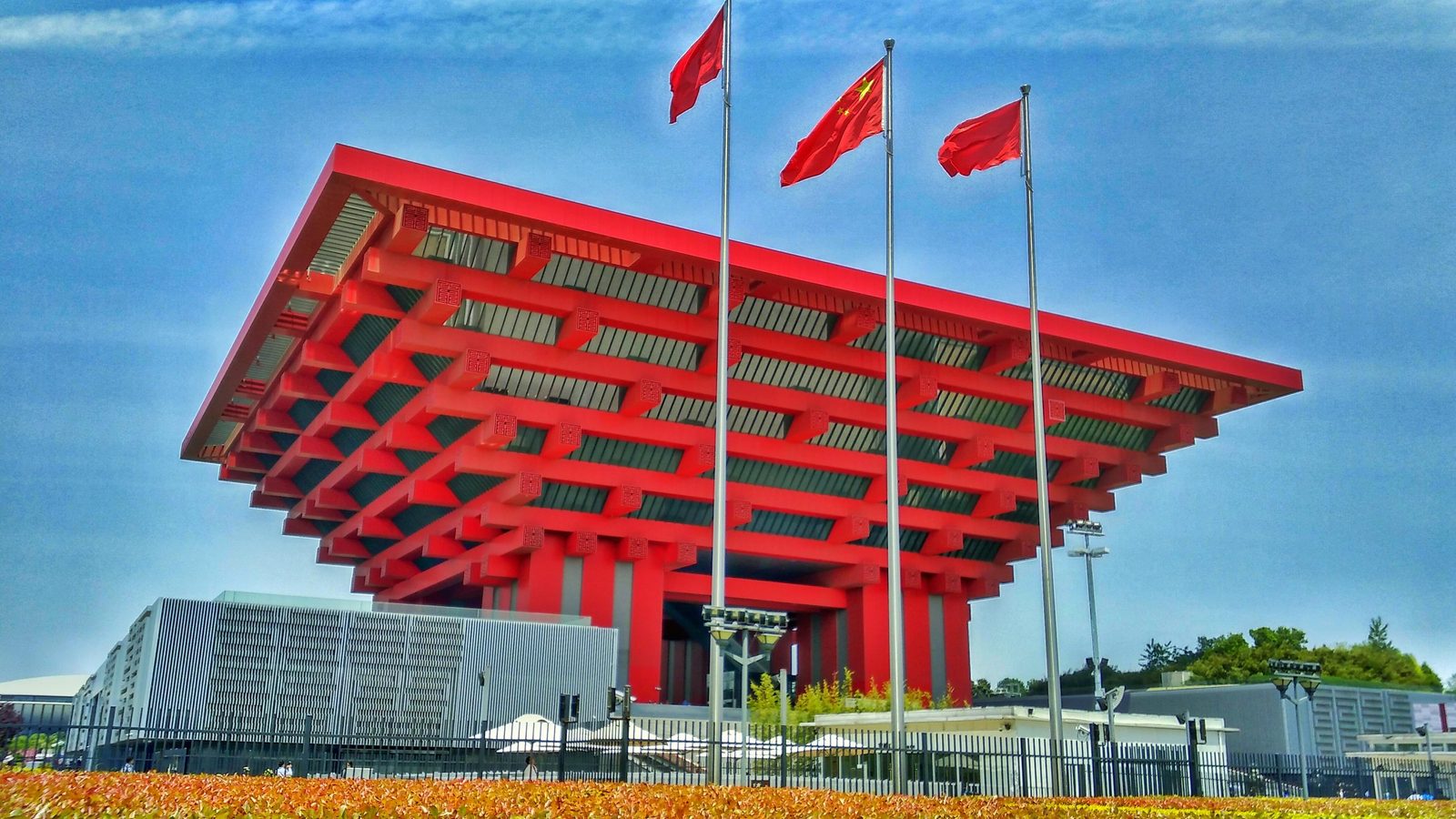
China Art Museum
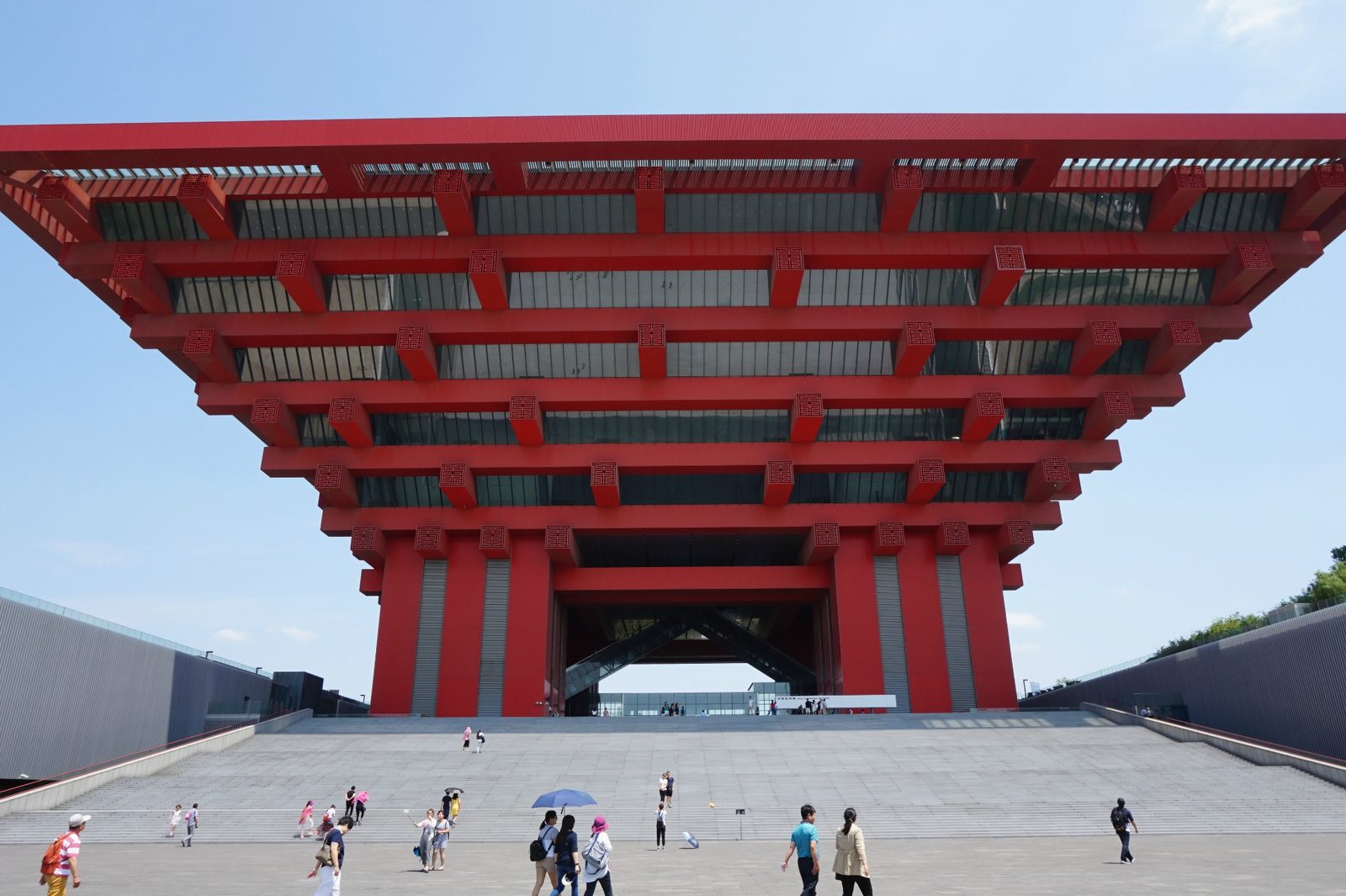
A national-level art museum converted from the China Pavilion "Oriental Crown" of Expo 2010 Shanghai, opened in 2012: its great red dougong-bracket form rises in stacked, outward-reaching tiers, evoking "a flourishing China, the granary of the world"—a permanent landmark of the Expo site
Visitor info
- Opening hours
- 10:00-18:00 · closed Mondays
- Ticket
- Free (special exhibitions charged separately)
Price is indicative — final quote on inquiry.
A national-level art museum converted from the China Pavilion—the "Oriental Crown"—of Expo 2010 Shanghai, opened in 2012: its great red dougong (interlocking bracket) form rises in stacked, outward-reaching tiers, evoking the imagery of "a flourishing China, the granary of the world", and it stands as a permanent landmark of the Expo park. The collection features modern and contemporary Shanghai-style (Haipai) art, with systematic displays of works by Haipai masters such as Wu Changshuo, Ren Bonian, and He Tianjian. Its crown jewel, the multimedia animated version of Along the River During the Qingming Festival, is an original installation from the Expo China Pavilion (separate ticket); the extra-long animated scroll always draws dense crowds, making the museum both a hall of Haipai art history and a repository of Expo memory.
Getting there: Metro Line 8, China Art Museum Station
Photos
More in Shanghai
- Yu Garden
Ming dynasty rockeries, pavilions and the zigzag bridge of City God Temple area.
- Shanghai Tower
China's tallest building; observation deck on the 118th floor.
- Zhujiajiao Water Town
17-bridge canal town 45 km from downtown; gondolas under Ming bridges.
- The Bund
Colonial riverfront facing Pudong's sci-fi skyline; walk it at dusk both ways.
- The Bund
Shanghai's calling card and a microcosm of its modern history: a 1.5 km riverside stretch on the west bank of the Huangpu River, running north from Waibaidu Bridge (Garden Bridge) to Yan'an East Road, is lined with 52 historic buildings in Gothic, Baroque, Art Deco and other styles, collectively known as the "World Architecture Exhibition"
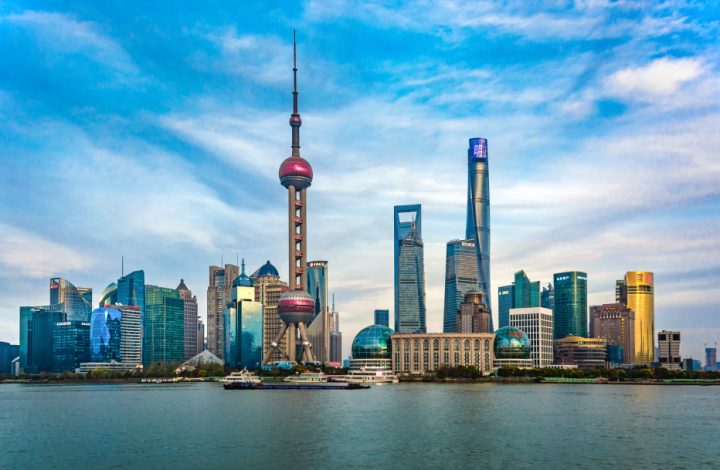
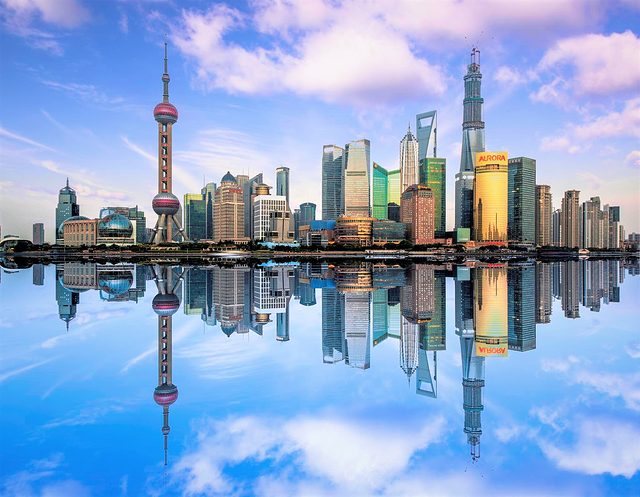
- Lujiazui 'Big Three' Viewing
The heart of Pudong's financial-district skyline: Shanghai Tower, at 632 m China's tallest building, rises in a twisting spiral form that reduces wind load; its 546 m "Top of Shanghai" observatory ranks among the world's highest, and on floor 125 you can see the thousand-ton damper nicknamed the "magic needle that steadies the building"