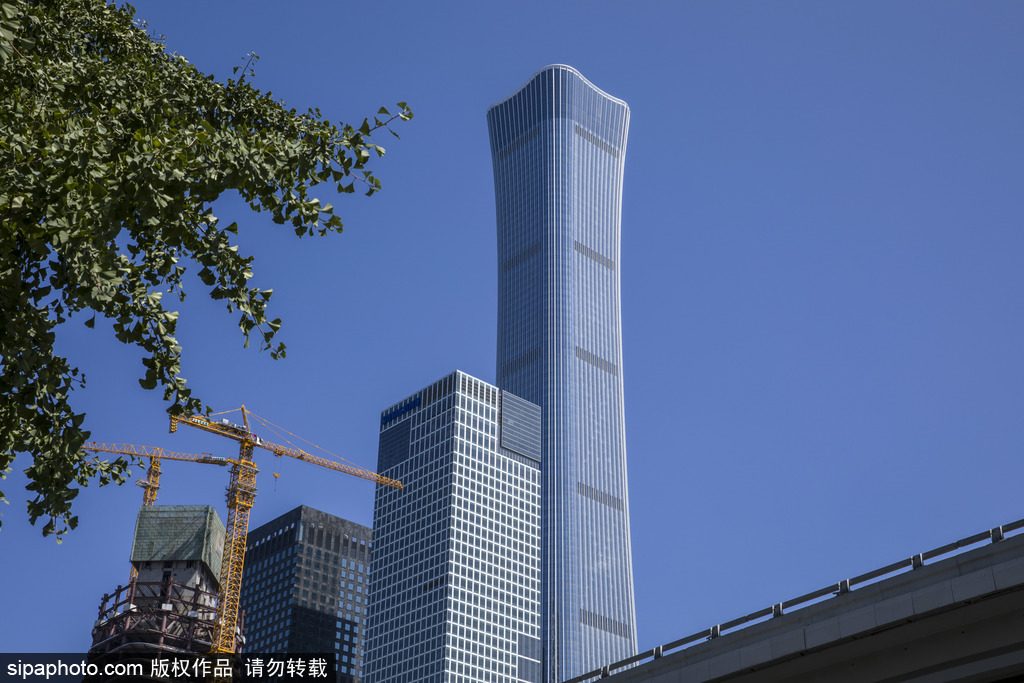
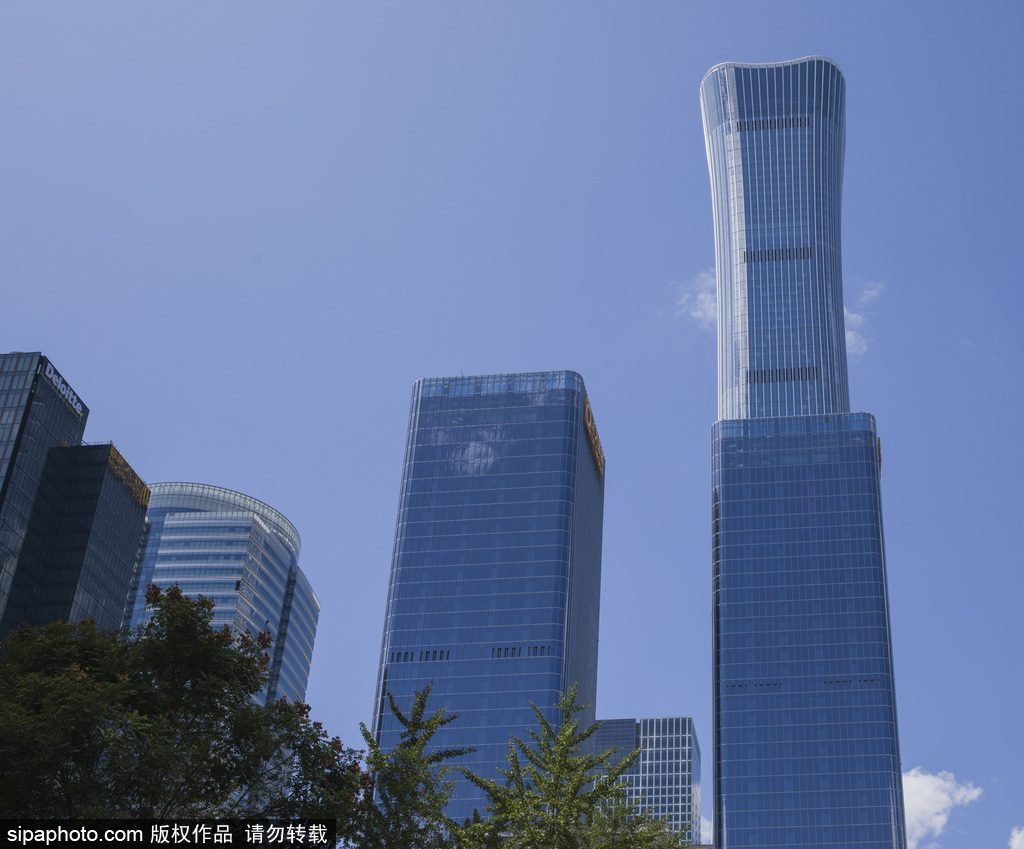
China Zun (CITIC Tower)
Also known as CITIC Tower, at 528 m it is Beijing's tallest building: its form takes after the ancient ritual vessel 'zun', with the tower body first tapering inward and then flaring out from bottom to top, anchoring the very core and highest point of the CBD skyline.
Visitor info
- Opening hours
- —
- Ticket
- Not open to the public (Sky Top viewing requires reservation-based events)
Price is indicative — final quote on inquiry.
Also known as CITIC Tower, at 528 m it is Beijing's tallest building: its form takes after the ancient ritual vessel 'zun', with the tower body first tapering inward and then flaring out from bottom to top, anchoring the very core and highest point of the CBD skyline; the building has no regular public observation deck (Sky Top viewing depends on reservation-based events), and the classic photo spot is outside at the junction of Guomao Bridge and Jinghui Street. Together with the CCTV Headquarters and China World Trade Center Tower 3, it forms the CBD's trio of landmark buildings; nighttime lighting and traffic time-lapse photography are popular subjects.
Getting there: Metro Line 1, Guomao Station
Photos
More in Beijing
- Summer Palace
Kunming Lake, the Long Corridor and Marble Boat of the imperial resort.
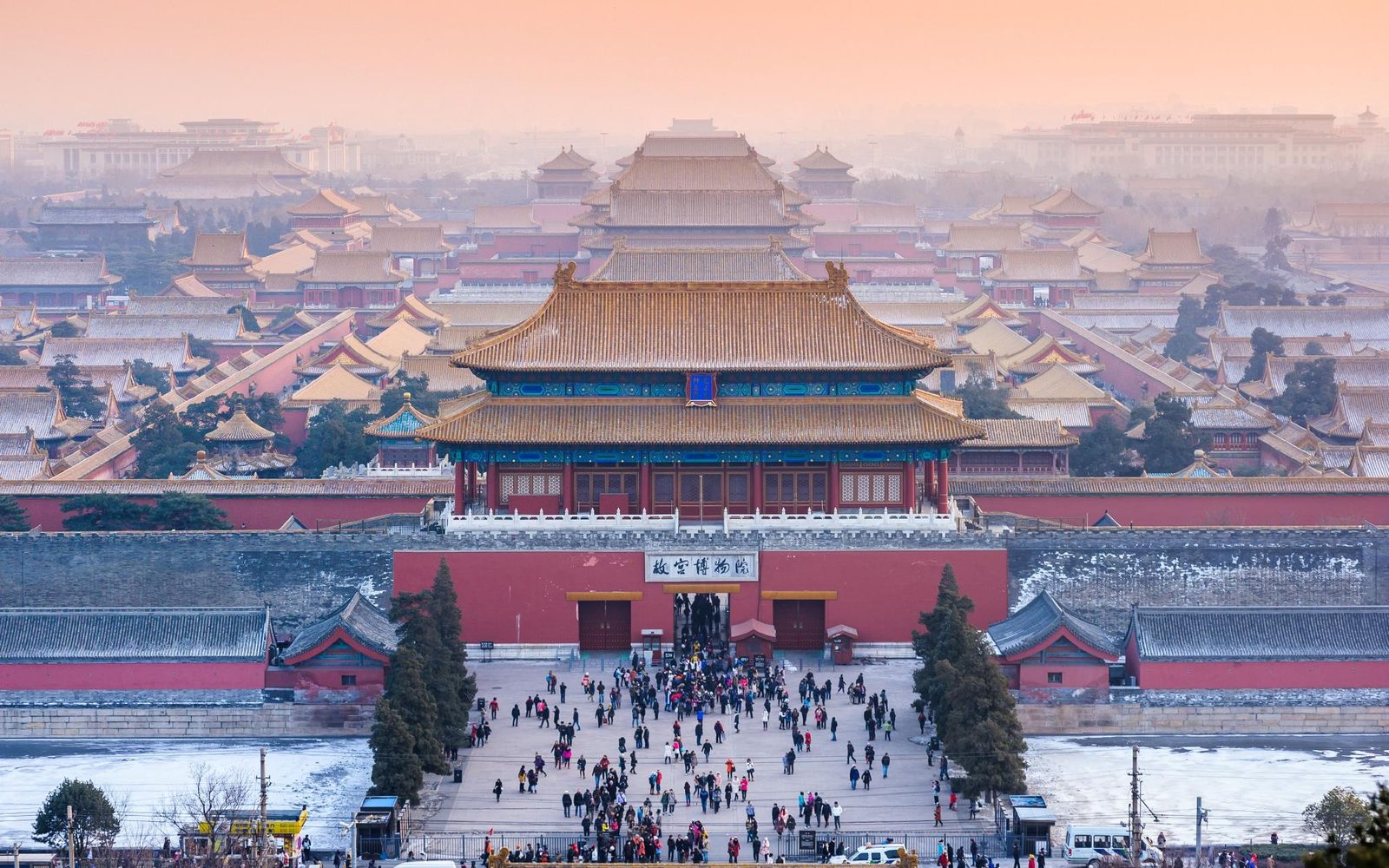
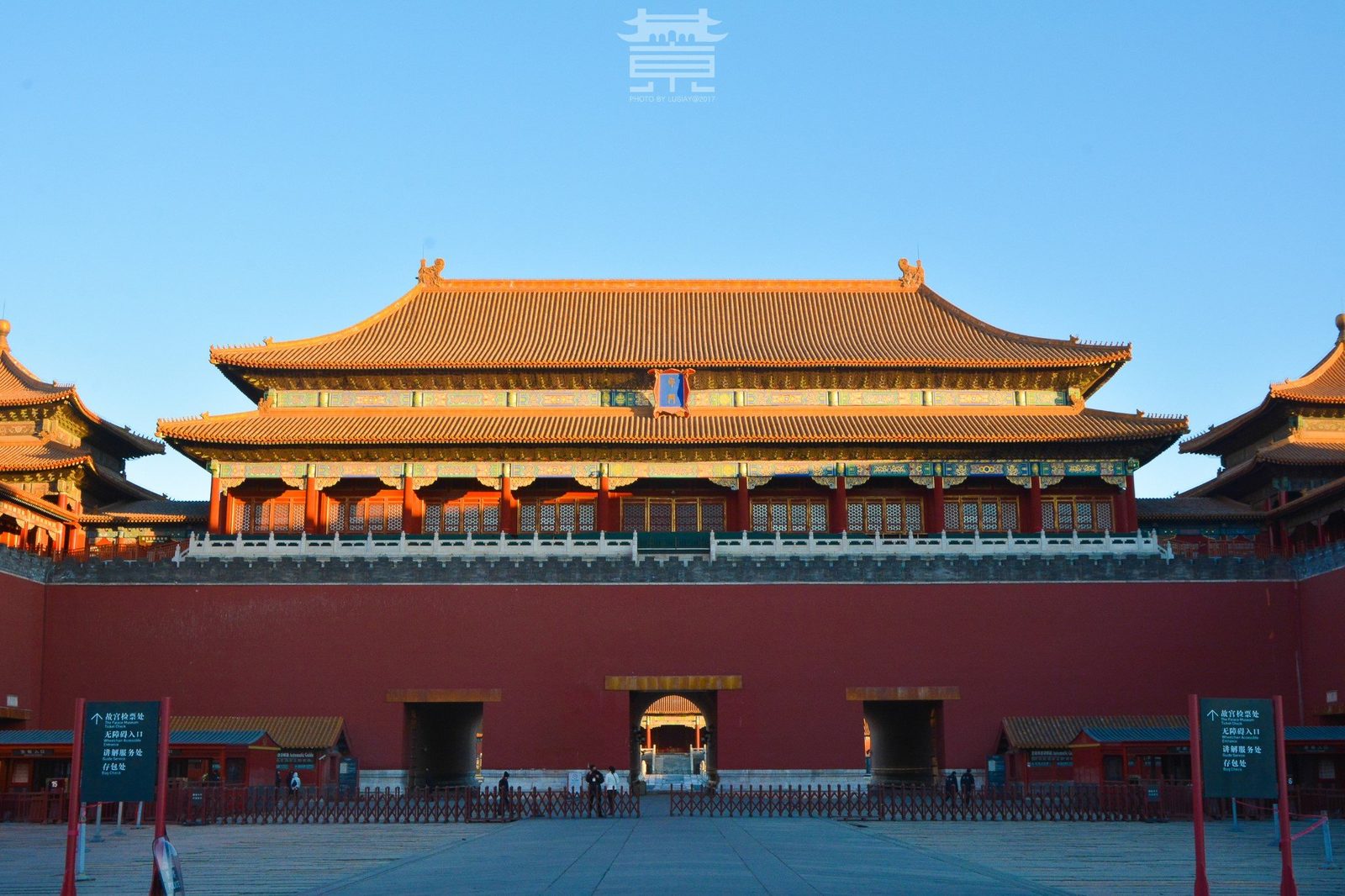
- The Forbidden City
The world's largest palace complex, 9,999 rooms of Ming and Qing emperors.
- Mutianyu Great Wall
The restored, less-crowded Great Wall section with a toboggan descent.
- Temple of Heaven
Where emperors prayed for harvest; morning tai chi in the cypress park.
- Tiananmen Square
One of the world's largest city squares, about 880 m long north to south and able to hold a million people—the core space of Beijing's Central Axis: the founding ceremony of the PRC was held here on October 1, 1949; the Monument to the People's Heroes stands at the center, the Great Hall of the People on the west, and on the east the China...
- The Palace Museum (Forbidden City)
Completed in the 18th year of Ming Yongle (1420), the imperial palace where 24 emperors of the Ming and Qing dynasties lived and ruled, formerly the Forbidden City: covering 720,000 sq m with over 8,700 rooms, the world's largest and best-preserved wooden palace complex