Shihua Cave (Stone Flower Cave)
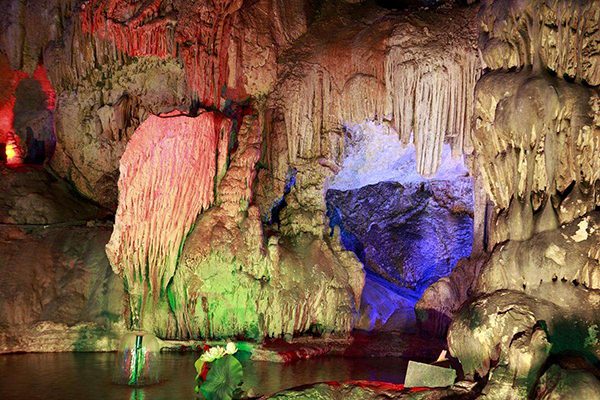
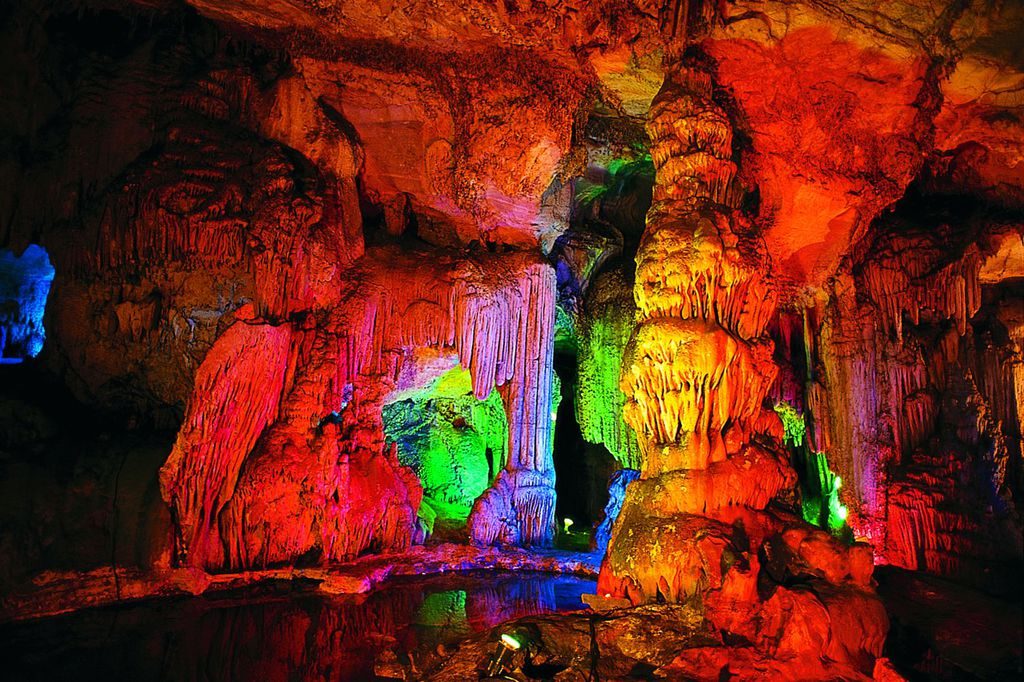
Core scenic area of the Fangshan National Geopark: a seven-level karst cave descending in stacked layers, where stalagmites, stalactites, stone curtains and rare moonmilk deposits form the "Underground Pearl of Beijing". The cave keeps a constant temperature of approx. 13°C — warm in winter, cool in summer, pleasant in all seasons.
Visitor info
- Opening hours
- 09:00-16:30
- Ticket
- CNY 70
Price is indicative — final quote on inquiry.
Core scenic area of the Fangshan National Geopark: a seven-level karst cave descending in stacked layers, where stalagmites, stalactites, stone curtains and rare moonmilk deposits form the "Underground Pearl of Beijing". The cave keeps a constant temperature of approx. 13°C — warm in winter, cool in summer, pleasant in all seasons. Admission CNY 70 includes a guided commentary; reachable via the Fangshan Line with a bus transfer, or by self-drive; can be combined with Silver Fox Cave (Yinhudong) and the Zhoukoudian Peking Man Site into a Fangshan geology-and-heritage route.
Getting there: Metro Fangshan Line then bus / self-drive
Photos
More in Beijing
- Summer Palace
Kunming Lake, the Long Corridor and Marble Boat of the imperial resort.
- The Forbidden City
The world's largest palace complex, 9,999 rooms of Ming and Qing emperors.
- Mutianyu Great Wall
The restored, less-crowded Great Wall section with a toboggan descent.
- Temple of Heaven
Where emperors prayed for harvest; morning tai chi in the cypress park.
- Tiananmen Square
One of the world's largest city squares, about 880 m long north to south and able to hold a million people—the core space of Beijing's Central Axis: the founding ceremony of the PRC was held here on October 1, 1949; the Monument to the People's Heroes stands at the center, the Great Hall of the People on the west, and on the east the China...
- The Palace Museum (Forbidden City)
Completed in the 18th year of Ming Yongle (1420), the imperial palace where 24 emperors of the Ming and Qing dynasties lived and ruled, formerly the Forbidden City: covering 720,000 sq m with over 8,700 rooms, the world's largest and best-preserved wooden palace complex