Qianmen Street & Dashilan
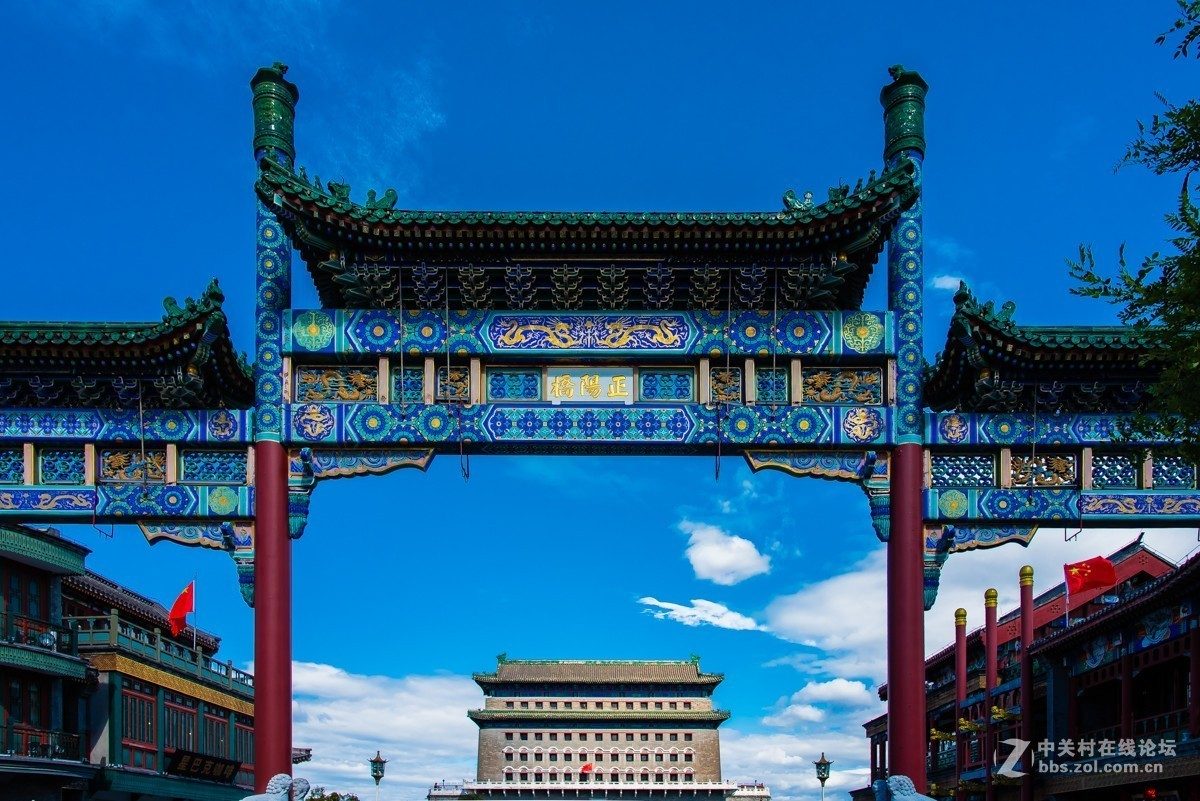
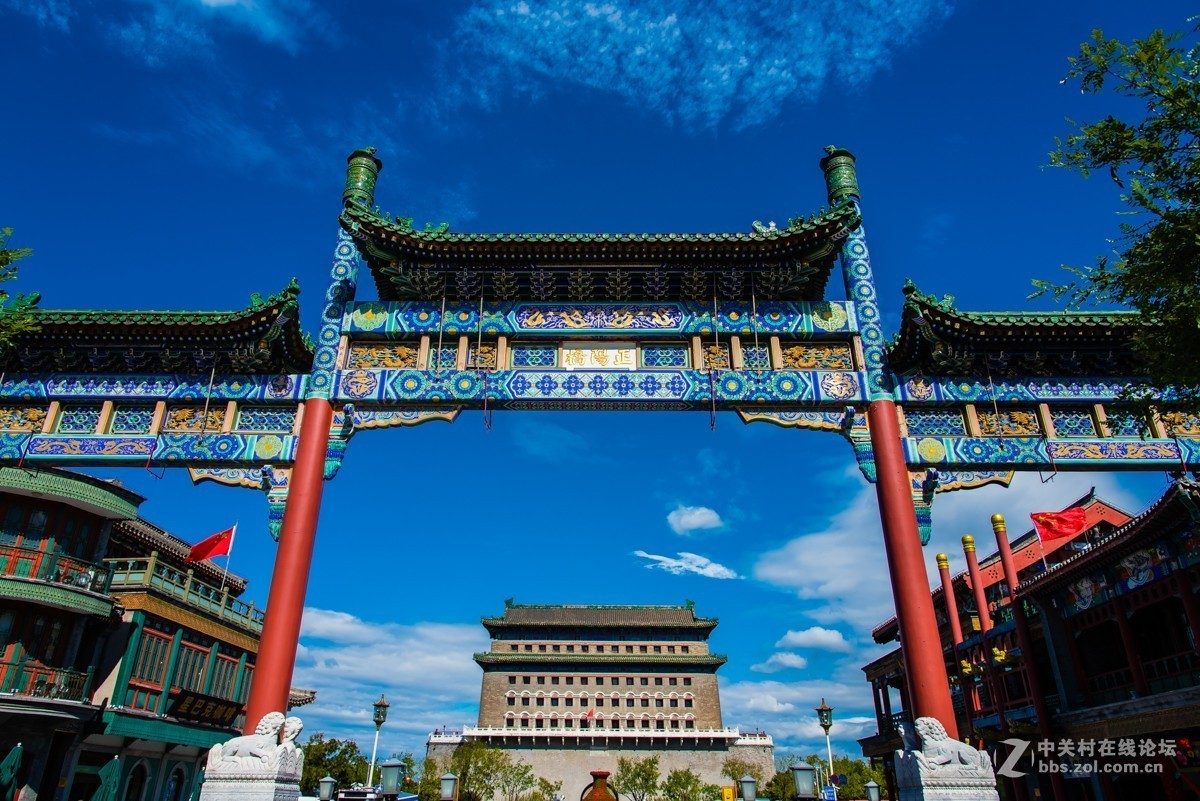
Qianmen Street was the 'Heavenly Street' of the Ming and Qing dynasties, along the imperial route by which emperors left the city for the Temple of Heaven, starting in the north at the Zhengyangmen Archery Tower
Visitor info
- Opening hours
- All day
- Ticket
- Free
Price is indicative — final quote on inquiry.
Qianmen Street was the 'Heavenly Street' of the Ming and Qing dynasties, along the imperial route by which emperors left the city for the Temple of Heaven, starting in the north at the Zhengyangmen Archery Tower; Dashilan, originally Langfang Fourth Lane, took its name from the fences (zhalan) erected to guard against theft during the Qianlong reign of the Qing. The street gathers century-old brands such as Tongrentang (founded 1669), Ruifuxiang, Neiliansheng, and Zhangyiyuan; the folk saying 'a Majuyuan hat on your head, Neiliansheng shoes on your feet' speaks to its commercial standing; Yangmeizhu Xiejie, once a Republican-era booksellers' street, has been turned into a creative district, and Beijing Fun and the former Quanyechang site have been renewed as a trendy cultural zone. A dangdang sightseeing tram runs the length of the street, recreating the commercial atmosphere of old Beijing.
Getting there: Metro Line 2, Qianmen Station
Photos
More in Beijing
- Summer Palace
Kunming Lake, the Long Corridor and Marble Boat of the imperial resort.
- The Forbidden City
The world's largest palace complex, 9,999 rooms of Ming and Qing emperors.
- Mutianyu Great Wall
The restored, less-crowded Great Wall section with a toboggan descent.
- Temple of Heaven
Where emperors prayed for harvest; morning tai chi in the cypress park.
- Tiananmen Square
One of the world's largest city squares, about 880 m long north to south and able to hold a million people—the core space of Beijing's Central Axis: the founding ceremony of the PRC was held here on October 1, 1949; the Monument to the People's Heroes stands at the center, the Great Hall of the People on the west, and on the east the China...
- The Palace Museum (Forbidden City)
Completed in the 18th year of Ming Yongle (1420), the imperial palace where 24 emperors of the Ming and Qing dynasties lived and ruled, formerly the Forbidden City: covering 720,000 sq m with over 8,700 rooms, the world's largest and best-preserved wooden palace complex