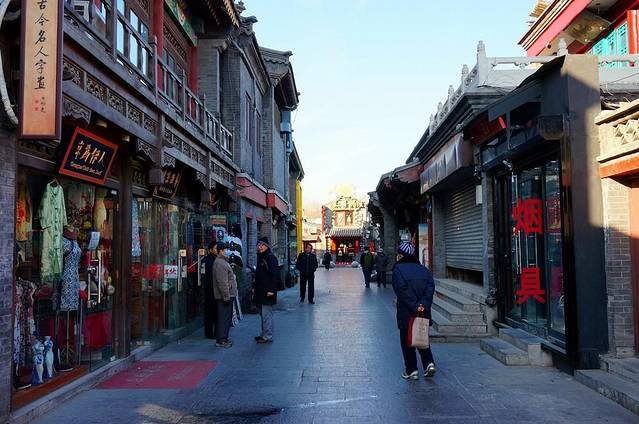
Nanluoguxiang Hutong
A famous hutong surviving from the Yuan dynasty's lifang (residential ward) system, about 787 m long; the main lane and the 16 hutongs on either side spread out symmetrically like a "centipede", hence the old name "Centipede Street": Mao'er Hutong preserves the former residence of Wanrong, the last empress; Dongmianhua Hutong is home to the Central Academy of Drama; Yu'er Hutong has the former residence of Qi Baishi…
Visitor info
- Opening hours
- Open all day
- Ticket
- Free
Price is indicative — final quote on inquiry.
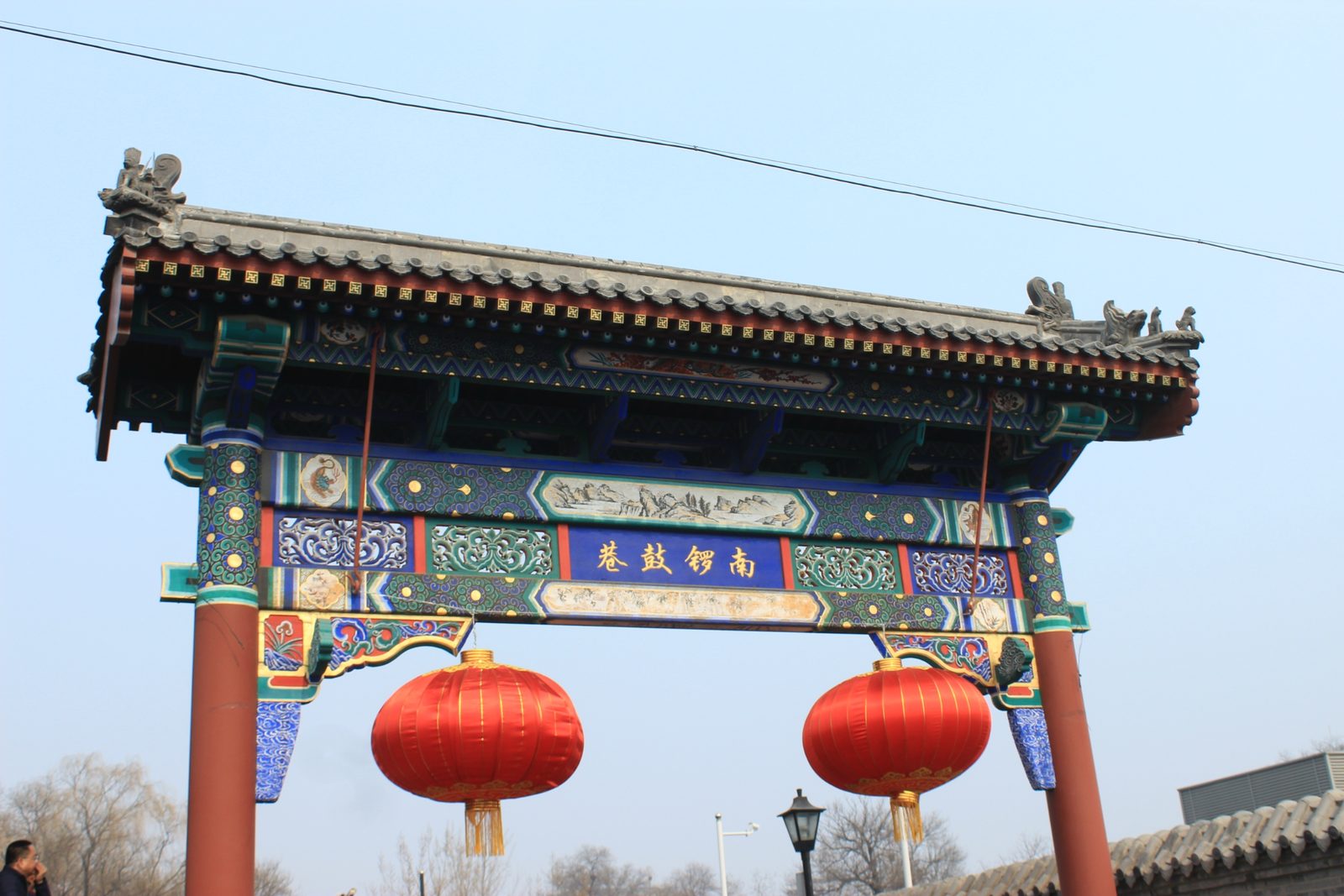
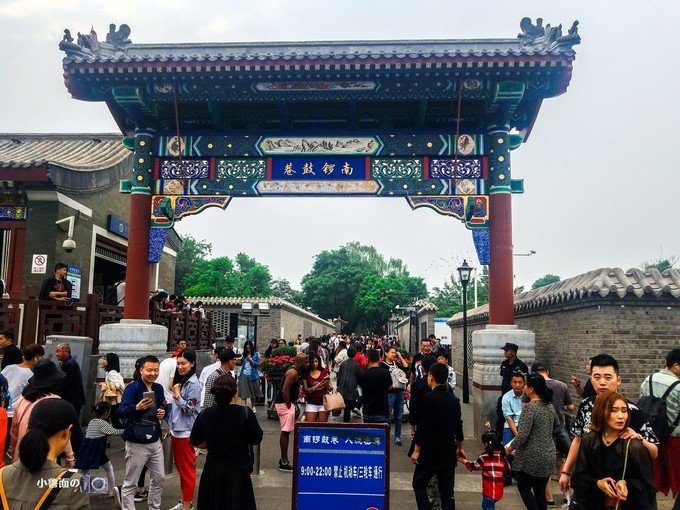
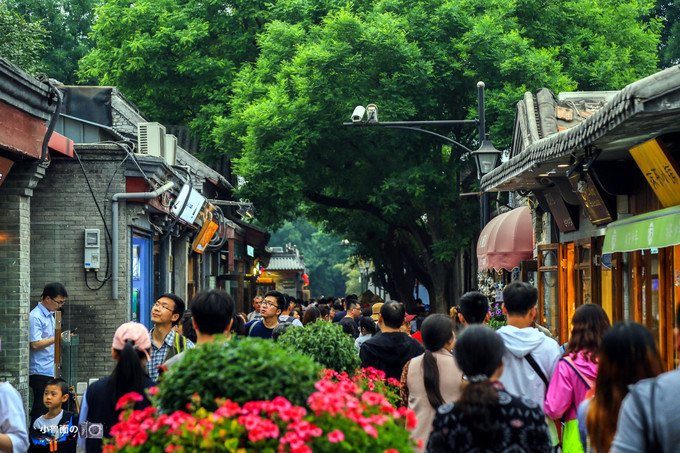
A famous hutong surviving from the Yuan dynasty's lifang (residential ward) system, about 787 m long; the main lane and the 16 hutongs on either side spread out symmetrically like a "centipede", hence the old name "Centipede Street": Mao'er Hutong preserves the former residence of Wanrong, the last empress; Dongmianhua Hutong is home to the Central Academy of Drama; Yu'er Hutong has the former residence of Qi Baishi. The main lane is now lined with creative shops and snack stalls and gets crushed with crowds on holidays; the real sights are in the side hutongs — courtyard-house gate piers, brick carvings and unhurried everyday life under old locust trees — best explored with a "snap the main lane, stroll the side lanes slowly" approach.
Getting there: Metro Line 6/8, Nanluoguxiang Station
Photos
More in Beijing
- Summer Palace
Kunming Lake, the Long Corridor and Marble Boat of the imperial resort.
- The Forbidden City
The world's largest palace complex, 9,999 rooms of Ming and Qing emperors.
- Mutianyu Great Wall
The restored, less-crowded Great Wall section with a toboggan descent.
- Temple of Heaven
Where emperors prayed for harvest; morning tai chi in the cypress park.
- Tiananmen Square
One of the world's largest city squares, about 880 m long north to south and able to hold a million people—the core space of Beijing's Central Axis: the founding ceremony of the PRC was held here on October 1, 1949; the Monument to the People's Heroes stands at the center, the Great Hall of the People on the west, and on the east the China...
- The Palace Museum (Forbidden City)
Completed in the 18th year of Ming Yongle (1420), the imperial palace where 24 emperors of the Ming and Qing dynasties lived and ruled, formerly the Forbidden City: covering 720,000 sq m with over 8,700 rooms, the world's largest and best-preserved wooden palace complex