Ming Tombs (Shisanling)
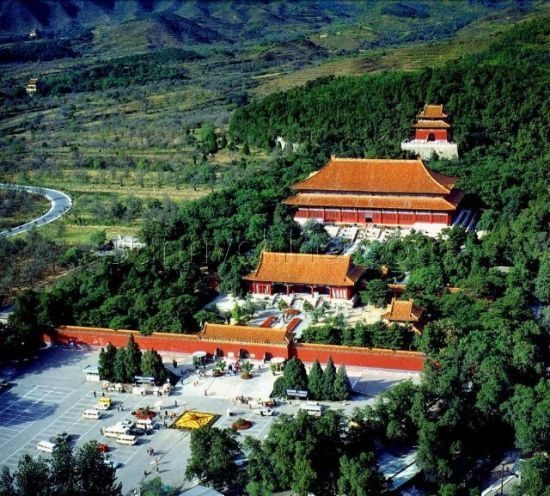
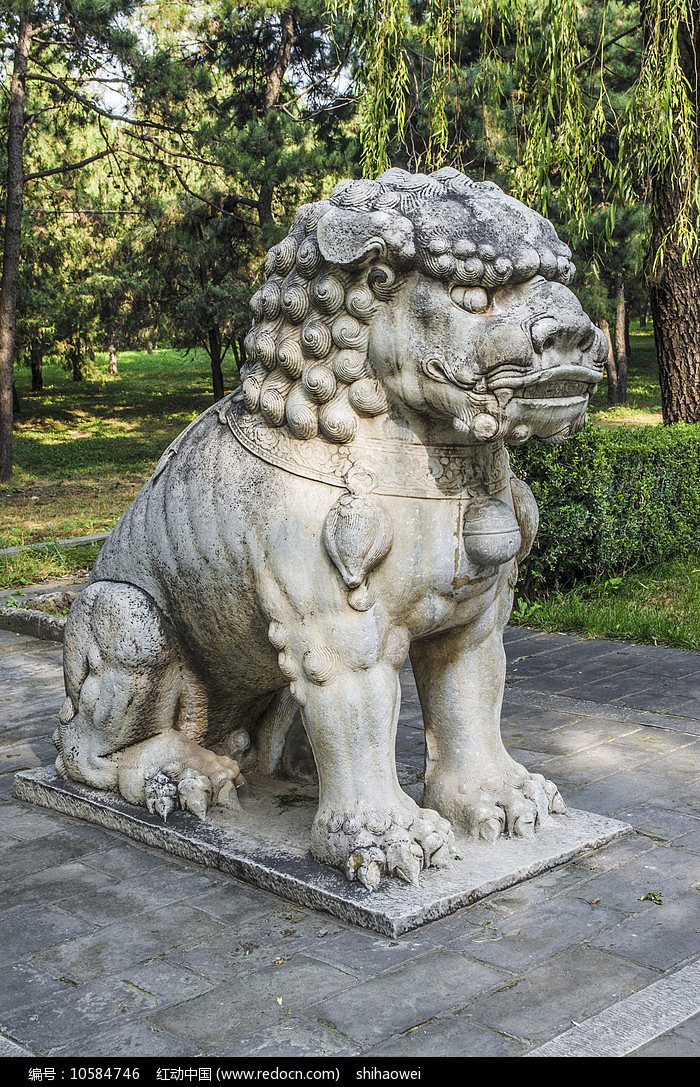
The Ming Yongle Emperor Zhu Di chose Tianshou Mountain to build Changling; this imperial tomb complex, where 13 Ming emperors were subsequently buried, was listed as a UNESCO World Heritage Site in 2003: the 24 stone statues flanking the Sacred Way are Ming stone-carving masterpieces, and the Great Palace Gate and stone archway form the gateway to the tomb area
Visitor info
- Opening hours
- 08:30-17:00
- Ticket
- Combo ticket CNY 110 high season / CNY 80 low season (Dingling/Changling/Zhaoling single tickets CNY 40-60)
Price is indicative — final quote on inquiry.
The Ming Yongle Emperor Zhu Di chose Tianshou Mountain to build Changling; this imperial tomb complex, where 13 Ming emperors were subsequently buried, was listed as a UNESCO World Heritage Site in 2003: the 24 stone statues flanking the Sacred Way are Ming stone-carving masterpieces, and the Great Palace Gate and stone archway form the gateway to the tomb area. The dozens of giant golden-thread nanmu pillars in Changling's Ling'en Hall are unique in China; Dingling, excavated in 1956, is the only Ming imperial tomb archaeologically excavated in the People's Republic of China—phoenix crowns and gold artifacts unearthed from its underground palace are displayed in the on-site museum; Zhaoling, Kangling and others have opened in turn. Reachable by Metro Changping Line with a bus transfer; the Sacred Way and the tombs can be combined into a half-day or full-day trip.
Getting there: Metro Changping Line, Ming Tombs Scenic Area Station, then bus
Photos
More in Beijing
- Summer Palace
Kunming Lake, the Long Corridor and Marble Boat of the imperial resort.
- The Forbidden City
The world's largest palace complex, 9,999 rooms of Ming and Qing emperors.
- Mutianyu Great Wall
The restored, less-crowded Great Wall section with a toboggan descent.
- Temple of Heaven
Where emperors prayed for harvest; morning tai chi in the cypress park.
- Tiananmen Square
One of the world's largest city squares, about 880 m long north to south and able to hold a million people—the core space of Beijing's Central Axis: the founding ceremony of the PRC was held here on October 1, 1949; the Monument to the People's Heroes stands at the center, the Great Hall of the People on the west, and on the east the China...
- The Palace Museum (Forbidden City)
Completed in the 18th year of Ming Yongle (1420), the imperial palace where 24 emperors of the Ming and Qing dynasties lived and ruled, formerly the Forbidden City: covering 720,000 sq m with over 8,700 rooms, the world's largest and best-preserved wooden palace complex