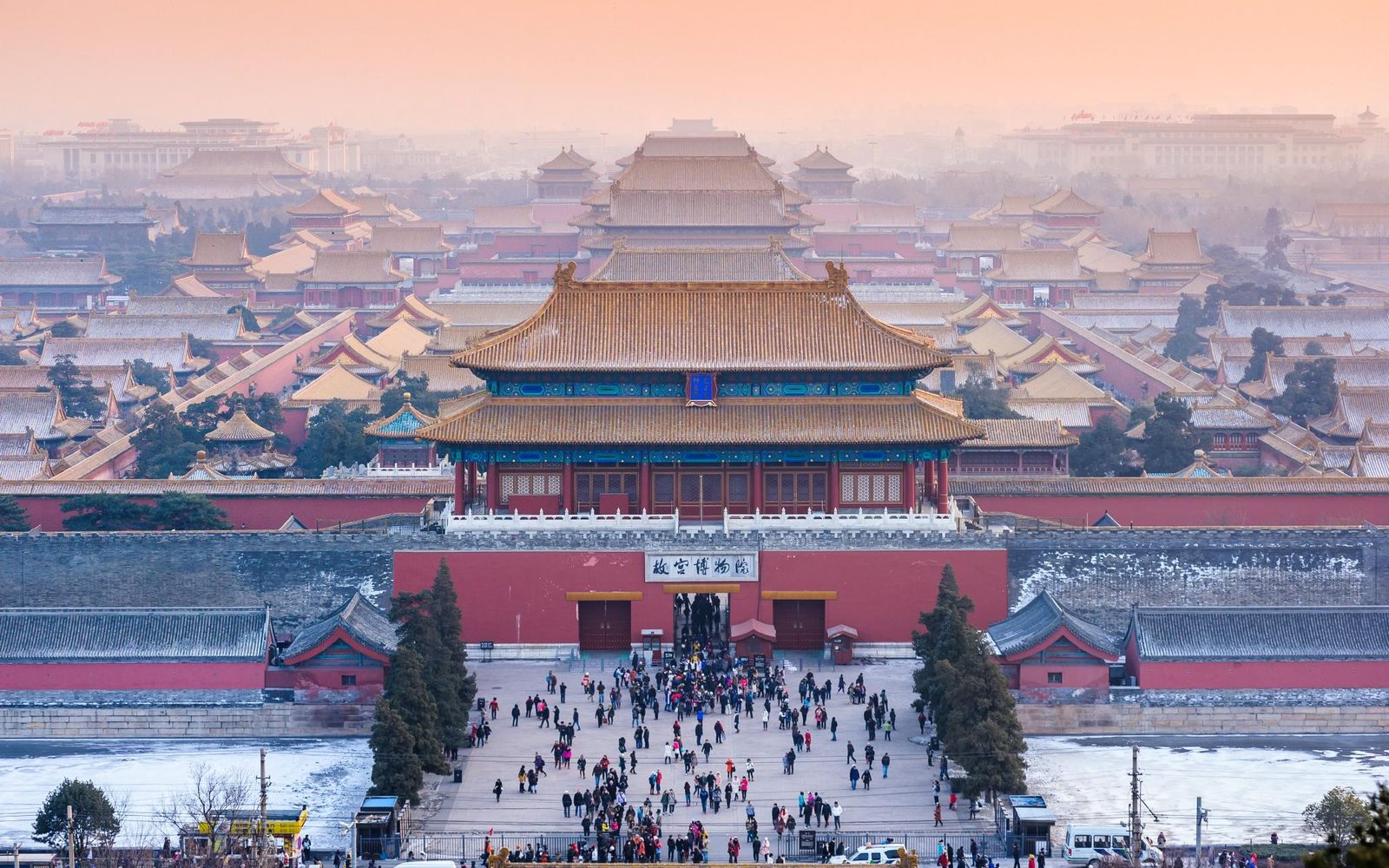
Longqing Gorge
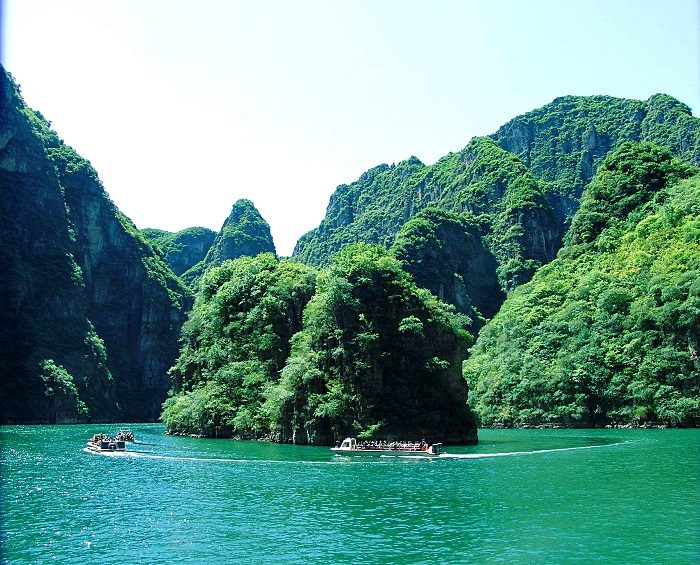
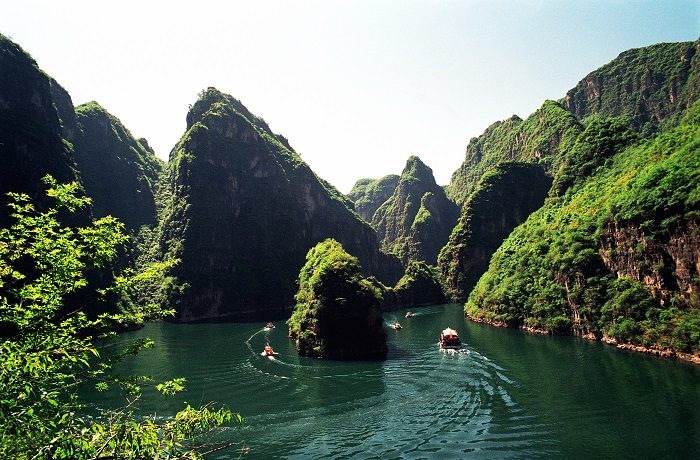
Gorge scenic area in Yanqing District known as the "Little Li River": enter the valley on a dragon-shaped escalator and cruise between sheer cliffs on both sides; pleasantly cool in summer and autumn
Visitor info
- Opening hours
- 08:30-16:30 (extended hours during Ice Lantern Festival)
- Ticket
- Ice Lantern Festival approx. CNY 100 (CNY 40 in other seasons)
Price is indicative — final quote on inquiry.
A gorge scenic area in Yanqing District known as the "Little Li River": visitors descend into the valley on a dragon-shaped escalator, and boats cruise between sheer cliffs on both sides - pleasantly cool in summer and autumn. The winter Ice Lantern Festival, held since 1987, is the largest ice-lantern exhibition in northern China; ice waterfalls, ice sculptures and night lighting have become a signature winter outing in Beijing. About 80 km from downtown, reachable via Bus 919 from Deshengmen or by self-drive; during the Ice Lantern Festival be sure to dress warmly and allow extra time for queues.
Getting there: Bus 919 from Deshengmen, then transfer / self-drive
Photos
More in Beijing
- Summer Palace
Kunming Lake, the Long Corridor and Marble Boat of the imperial resort.
- The Forbidden City
The world's largest palace complex, 9,999 rooms of Ming and Qing emperors.
- Mutianyu Great Wall
The restored, less-crowded Great Wall section with a toboggan descent.
- Temple of Heaven
Where emperors prayed for harvest; morning tai chi in the cypress park.
- Tiananmen Square
One of the world's largest city squares, about 880 m long north to south and able to hold a million people—the core space of Beijing's Central Axis: the founding ceremony of the PRC was held here on October 1, 1949; the Monument to the People's Heroes stands at the center, the Great Hall of the People on the west, and on the east the China...
- The Palace Museum (Forbidden City)
Completed in the 18th year of Ming Yongle (1420), the imperial palace where 24 emperors of the Ming and Qing dynasties lived and ruled, formerly the Forbidden City: covering 720,000 sq m with over 8,700 rooms, the world's largest and best-preserved wooden palace complex