Guozijian Street
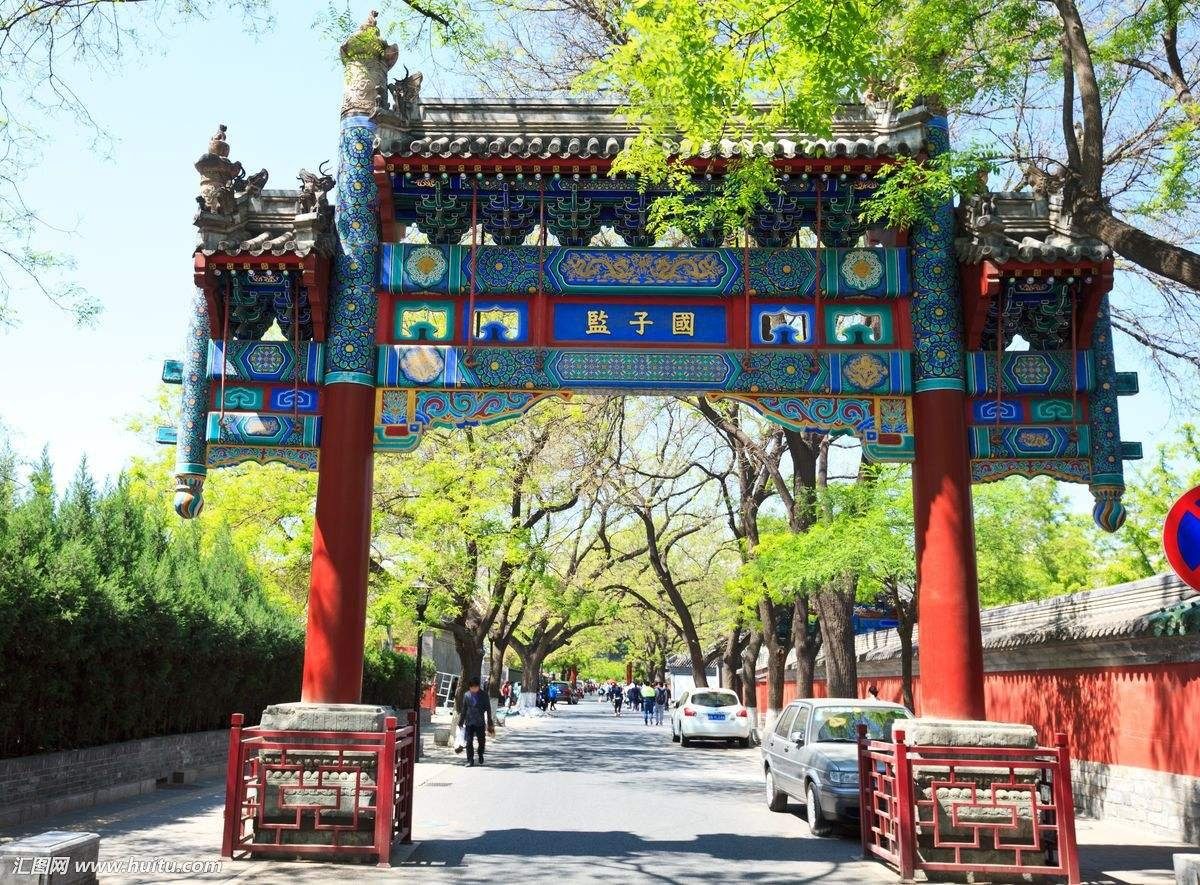
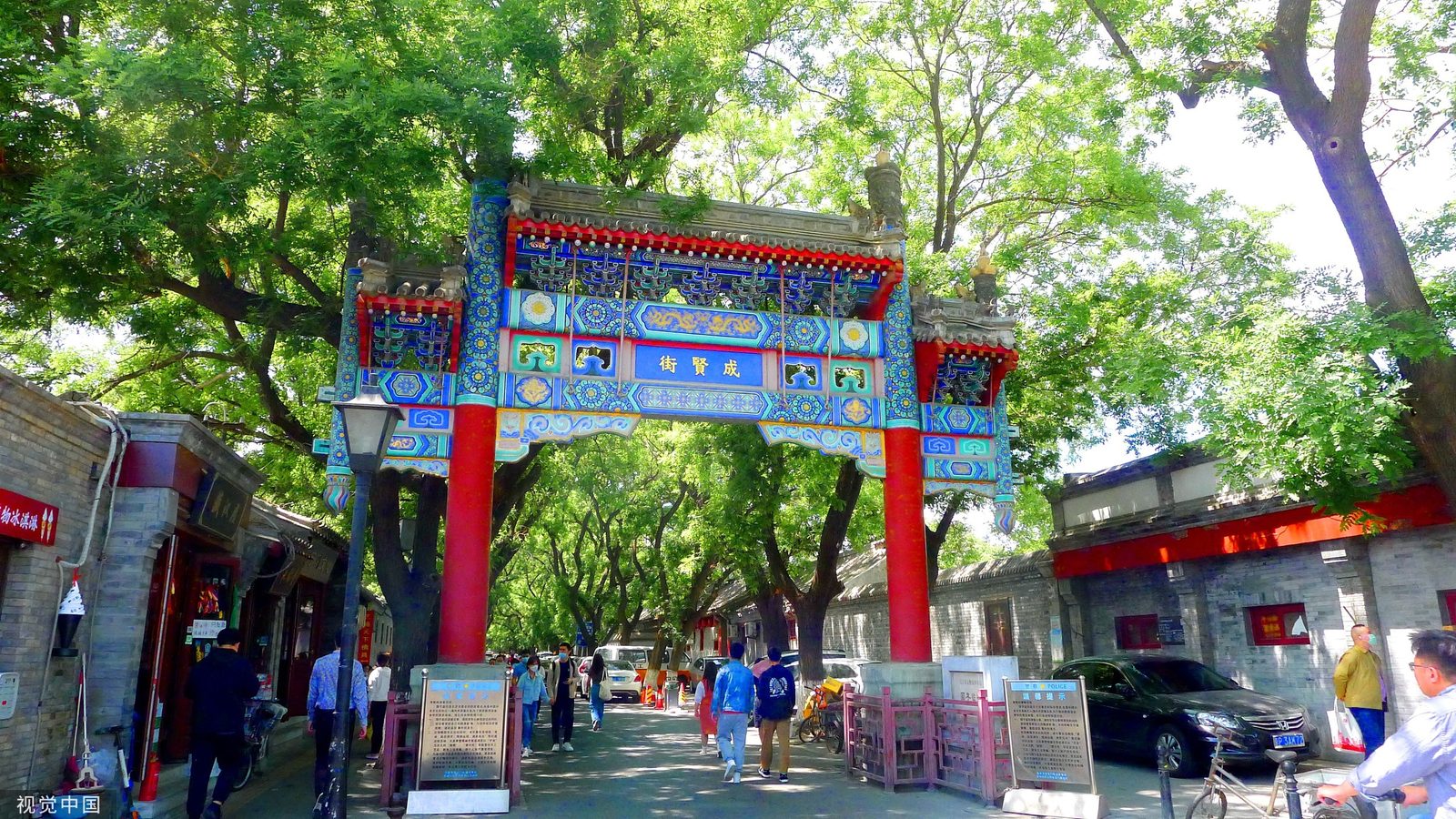
An ancient-street layout of "one market, one tower, one temple, one street", with four street-spanning archways unique in the capital: the Confucius Temple on the east side was the state venue for honoring Confucius through the Yuan, Ming and Qing dynasties; 198 jinshi (top graduate) steles engrave the names of more than 50,000 jinshi — imperial-examination history within arm's reach
Visitor info
- Opening hours
- Open all day
- Ticket
- Free
Price is indicative — final quote on inquiry.
An ancient-street layout of "one market, one tower, one temple, one street", with four street-spanning archways unique in the capital: the Confucius Temple on the east side was the state venue for honoring Confucius through the Yuan, Ming and Qing dynasties; 198 jinshi (top graduate) steles engrave the names of more than 50,000 jinshi — imperial-examination history within arm's reach; the Imperial College on the west side was ancient China's highest academy, and the Qianlong-era Biyong Hall was where the "Son of Heaven" gave lectures. Locust trees shade the way and stone steles stand in rows — Beijing's best-preserved old street of culture and learning; adjacent to Yonghe Temple, it can be toured along the same route, and fallen leaves from the old locusts covering the street in autumn are at their most evocative.
Getting there: Metro Line 2/5, Yonghegong (Lama Temple) Station
Photos
More in Beijing
- Summer Palace
Kunming Lake, the Long Corridor and Marble Boat of the imperial resort.
- The Forbidden City
The world's largest palace complex, 9,999 rooms of Ming and Qing emperors.
- Mutianyu Great Wall
The restored, less-crowded Great Wall section with a toboggan descent.
- Temple of Heaven
Where emperors prayed for harvest; morning tai chi in the cypress park.
- Tiananmen Square
One of the world's largest city squares, about 880 m long north to south and able to hold a million people—the core space of Beijing's Central Axis: the founding ceremony of the PRC was held here on October 1, 1949; the Monument to the People's Heroes stands at the center, the Great Hall of the People on the west, and on the east the China...
- The Palace Museum (Forbidden City)
Completed in the 18th year of Ming Yongle (1420), the imperial palace where 24 emperors of the Ming and Qing dynasties lived and ruled, formerly the Forbidden City: covering 720,000 sq m with over 8,700 rooms, the world's largest and best-preserved wooden palace complex