Guangfulin Relics Park
An archaeological site park in Songjiang University Town: the Guangfulin site is a settlement site spanning the Neolithic Age to the Eastern Zhou period; the unearthed “Guangfulin Culture” remains filled a gap in the late-Neolithic cultural sequence around Lake Tai, and these early inhabitants' relics pushed back Shanghai's settlement history considerably—hence the name “Root of Shan…
Visitor info
- Opening hours
- 09:00-17:00
- Ticket
- CNY 40
Price is indicative — final quote on inquiry.
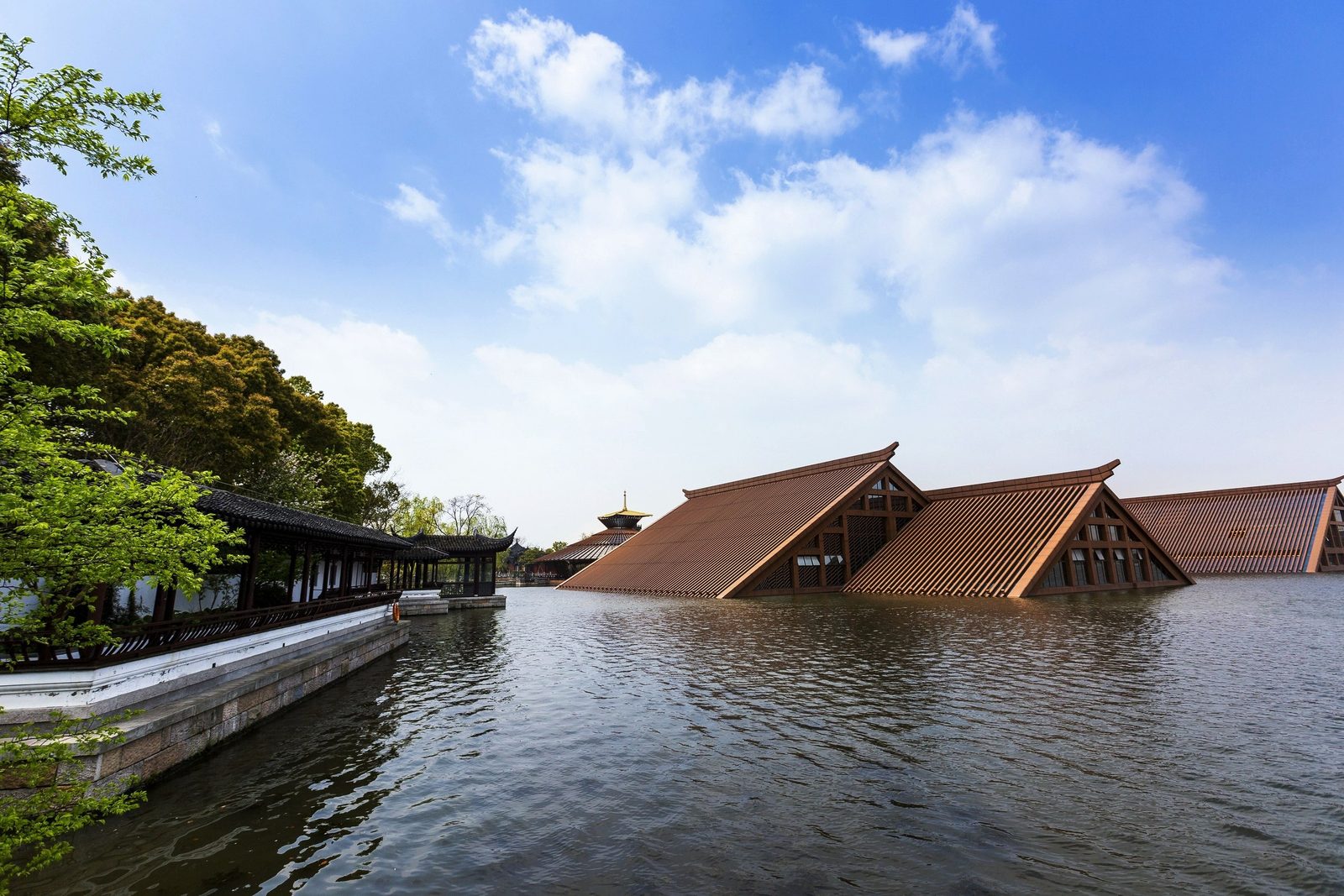
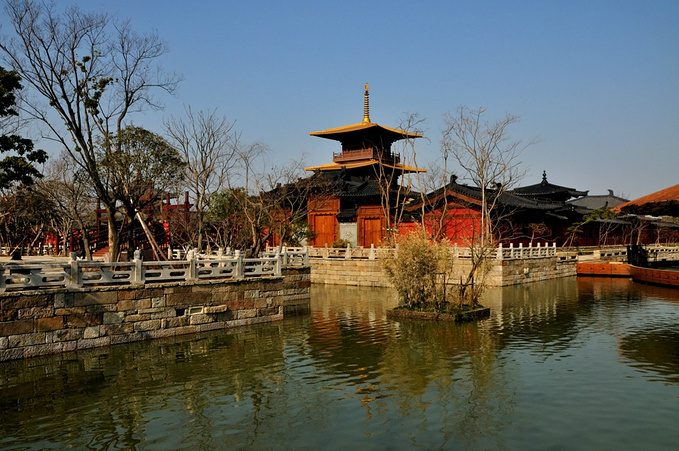
An archaeological site park in Songjiang University Town: the Guangfulin site is a settlement site spanning the Neolithic Age to the Eastern Zhou period; the unearthed “Guangfulin Culture” remains filled a gap in the late-Neolithic cultural sequence around Lake Tai, and these early inhabitants' relics pushed back the history of settlement in Shanghai considerably—hence its reputation as the “Root of Shanghai”. The park's landmark is the underwater museum—its triangular roof trusses “float” on the water while the exhibition halls sink below the surface to tell the story of migration and development; the nearby Zhiye Chan Temple with its three-story pagoda, along with the surrounding fields and paths, together form a cultural landscape belt for Shanghainese tracing their roots.
Getting there: Metro Line 9, Songjiang University Town Station, then bus
Photos
More in Shanghai
- Yu Garden
Ming dynasty rockeries, pavilions and the zigzag bridge of City God Temple area.
- Shanghai Tower
China's tallest building; observation deck on the 118th floor.
- Zhujiajiao Water Town
17-bridge canal town 45 km from downtown; gondolas under Ming bridges.
- The Bund
Colonial riverfront facing Pudong's sci-fi skyline; walk it at dusk both ways.
- The Bund
Shanghai's calling card and a microcosm of its modern history: a 1.5 km riverside stretch on the west bank of the Huangpu River, running north from Waibaidu Bridge (Garden Bridge) to Yan'an East Road, is lined with 52 historic buildings in Gothic, Baroque, Art Deco and other styles, collectively known as the "World Architecture Exhibition"
- Lujiazui 'Big Three' Viewing
The heart of Pudong's financial-district skyline: Shanghai Tower, at 632 m China's tallest building, rises in a twisting spiral form that reduces wind load; its 546 m "Top of Shanghai" observatory ranks among the world's highest, and on floor 125 you can see the thousand-ton damper nicknamed the "magic needle that steadies the building"