Olympic Park (Bird's Nest / Water Cube / Olympic Tower)
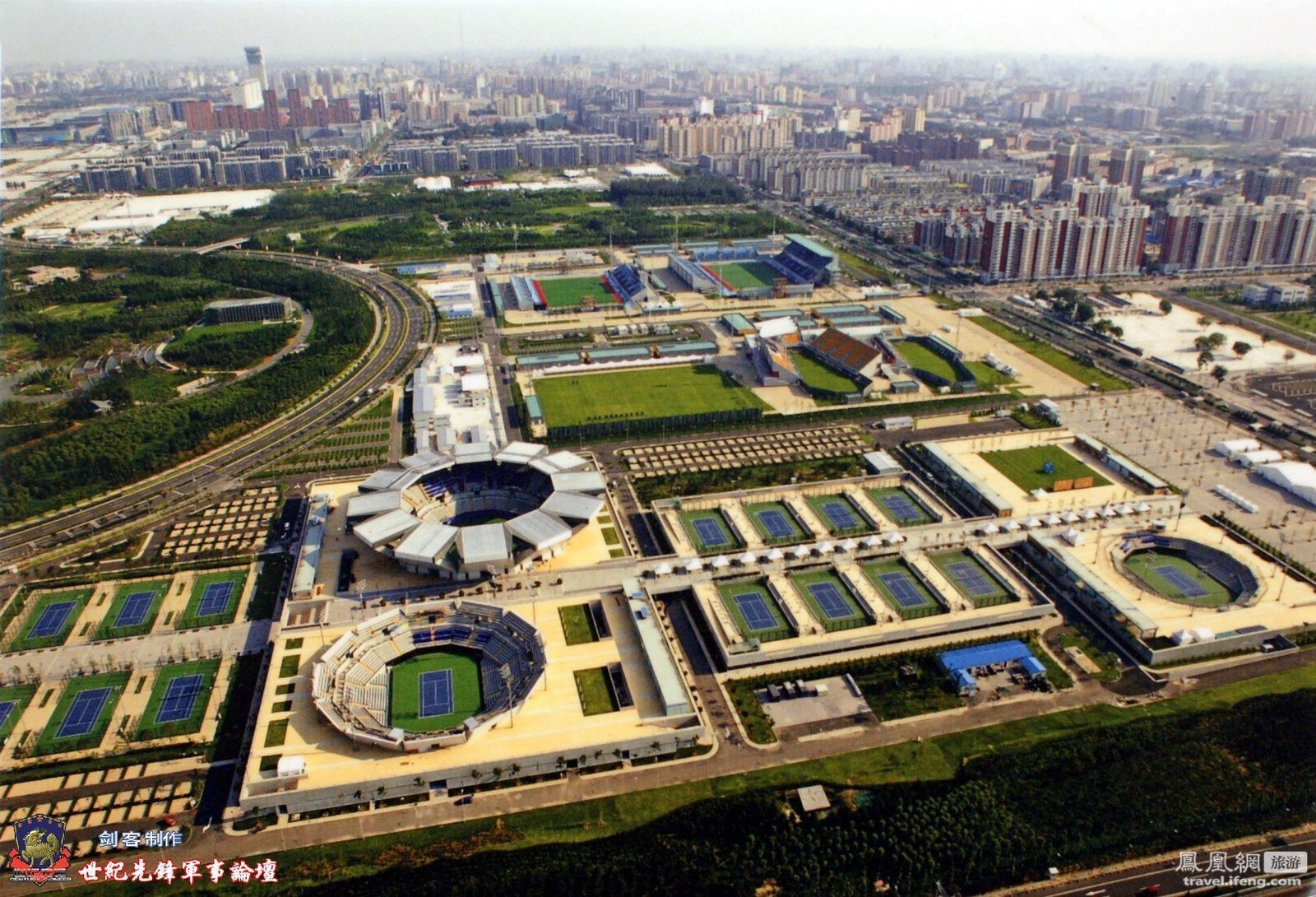
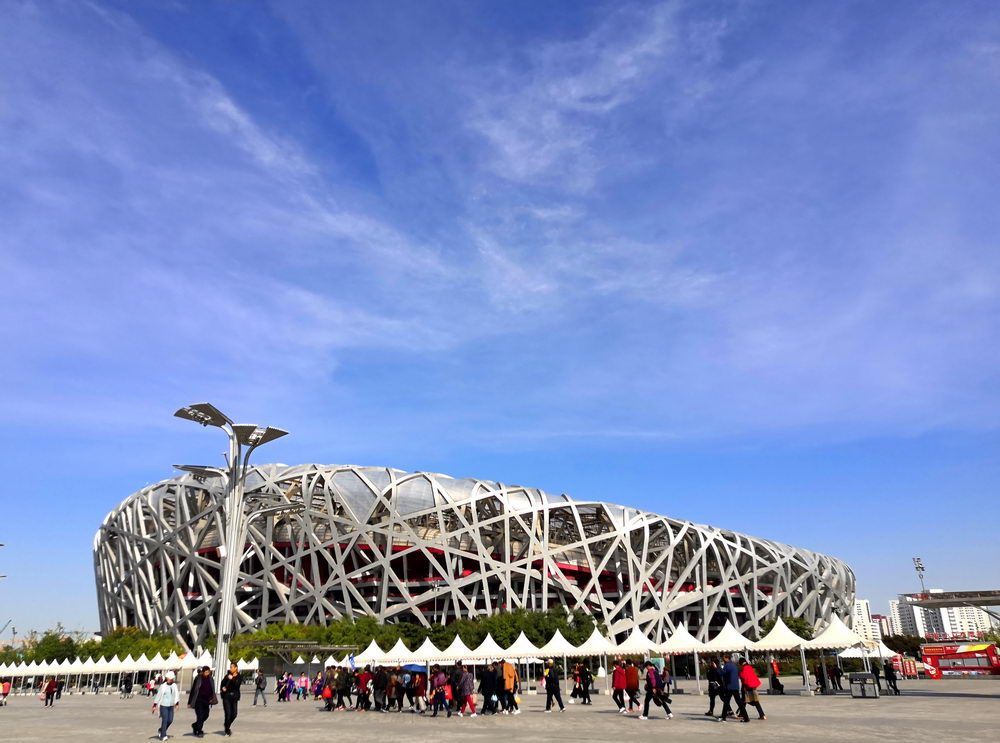
Main venue of both the 2008 Summer Olympics and the 2022 Winter Olympics ("double Olympic" site): the Bird's Nest, a woven form of 42,000 tonnes of steel, has become a national symbol, and you can climb the "Dingmei" air corridor to overlook the northern extension of the Central Axis
Visitor info
- Opening hours
- 09:00-21:00
- Ticket
- Bird's Nest CNY 110 · Water Cube CNY 30 · Tower from CNY 128
Price is indicative — final quote on inquiry.
Main venue of both the 2008 Summer Olympics and the 2022 Winter Olympics ("double Olympic" site): the Bird's Nest, a woven structure of 42,000 tonnes of steel, has become a national symbol, and you can climb the "Dingmei" (Top Beauty) air corridor to overlook the northern extension of the Central Axis; the Water Cube's membrane structure glistens like crystal — converted into the "Ice Cube" for curling events during the Winter Olympics, it has now resumed swimming and has a visitor area; the 246.8 m Olympic Tower is the highest viewing point. Night light shows and fountains are permanent fixtures; Metro Line 8 goes directly there, and arriving in the late afternoon is recommended to link into the night views.
Getting there: Metro Line 8, Olympic Sports Center / Olympic Green stations
Photos
More in Beijing
- Summer Palace
Kunming Lake, the Long Corridor and Marble Boat of the imperial resort.
- The Forbidden City
The world's largest palace complex, 9,999 rooms of Ming and Qing emperors.
- Mutianyu Great Wall
The restored, less-crowded Great Wall section with a toboggan descent.
- Temple of Heaven
Where emperors prayed for harvest; morning tai chi in the cypress park.
- Tiananmen Square
One of the world's largest city squares, about 880 m long north to south and able to hold a million people—the core space of Beijing's Central Axis: the founding ceremony of the PRC was held here on October 1, 1949; the Monument to the People's Heroes stands at the center, the Great Hall of the People on the west, and on the east the China...
- The Palace Museum (Forbidden City)
Completed in the 18th year of Ming Yongle (1420), the imperial palace where 24 emperors of the Ming and Qing dynasties lived and ruled, formerly the Forbidden City: covering 720,000 sq m with over 8,700 rooms, the world's largest and best-preserved wooden palace complex